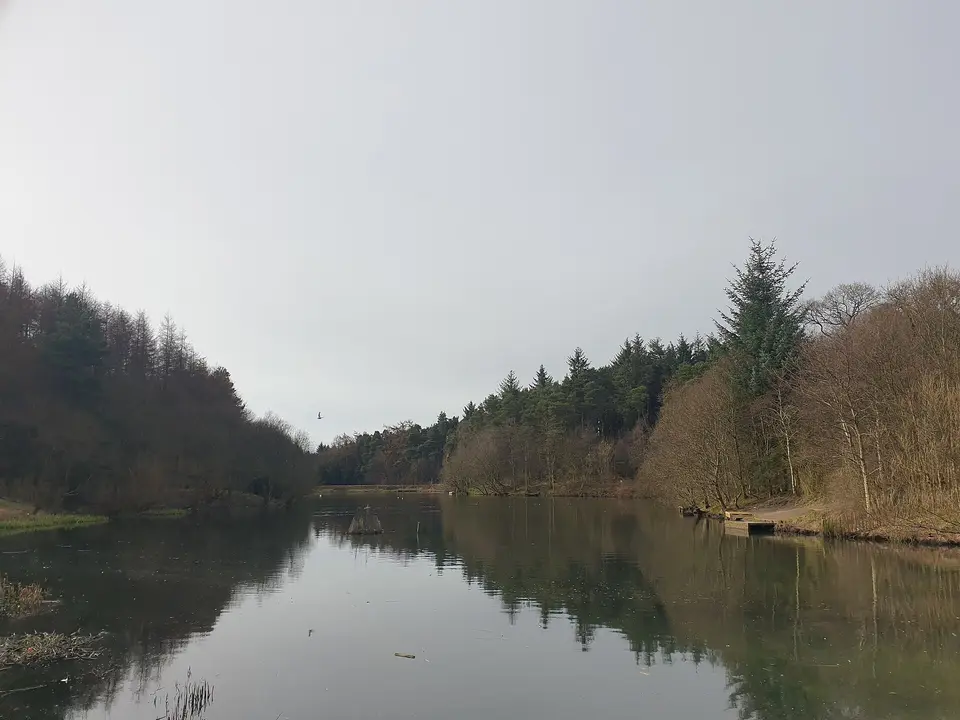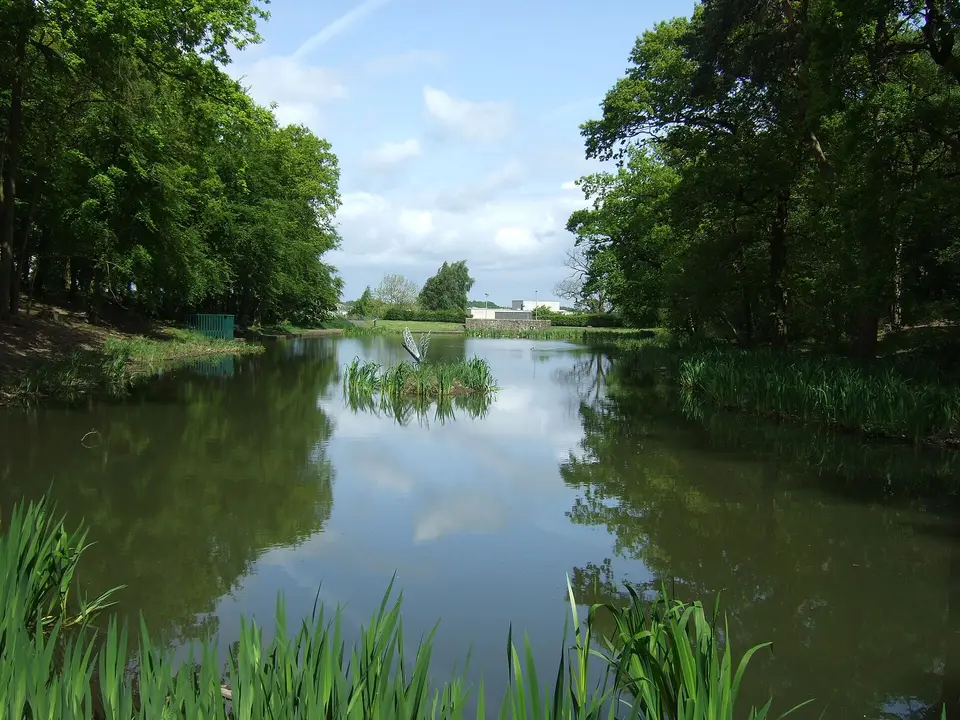
Sometime in the early twelfth century a clerk wrote the words Villa Levingi into a charter. Leving’s town. The man behind the name, Leving, controlled the land here, and his son Thurstan witnessed a charter of 1128 in which David I granted the church at Livingston, and the income that came with it, to the newly founded Abbey of Holyrood. Eight hundred years later a whole new town would take that name. The village where it started is still here, in the middle of it.
Until 1962 this place was just Livingston, a farming village in the county of West Lothian. When the new town was designated and took the name, the old settlement was renamed Livingston Village to tell the two apart. It has grown a good deal since, and plenty of new-town housing now surrounds the older core, but the core is easy to find.
Leving, the Peel and the families who followed
The family took its name from the place, or the place from the family, depending on how you read it. The Levings held the area until the line died out in 1512, living in a large tower house called Livingston Peel, which stood in what is now Eliburn. From 1512 the Peel was occupied by the Murrays of Elibank. Late in the seventeenth century it was demolished and replaced by a house called Livingston Place, which in turn was bought by the Earl of Rosebery in 1828 and pulled down in 1840.
The name travelled further than the house. The Earls of Callendar and the Earls of Linlithgow carried the family name Livingston and traced their line back through Thurstan to Leving. Where Leving came from is less certain. One genealogy has him arriving with St Margaret from Hungary; other sources see him as a Flemish settler. Nobody has proved either.
The Old Kirk
The most important building in the village is Livingston Old Kirk. In its current form it dates from 1732 and is a fine example of plain Presbyterian architecture of the period, with almost no decoration at all. It stands on the site of a pre-Reformation church that seems to have been in use from about 1350 to 1650, so worship on this spot goes back the best part of seven centuries.
The churchyard is worth a slow walk. It holds an ornate eighteenth-century grave among the plainer stones, and the village also has its war memorial. St Andrew’s Church in Deans belongs to the same parish today.
By 1898 the village had a handful of houses, a Church of Scotland church, a United Free church and a school. That was the whole of Livingston when the century turned, a small farming village on the River Almond, fifteen miles or so west of Edinburgh. Within seventy years it would be surrounded by a town of tens of thousands.
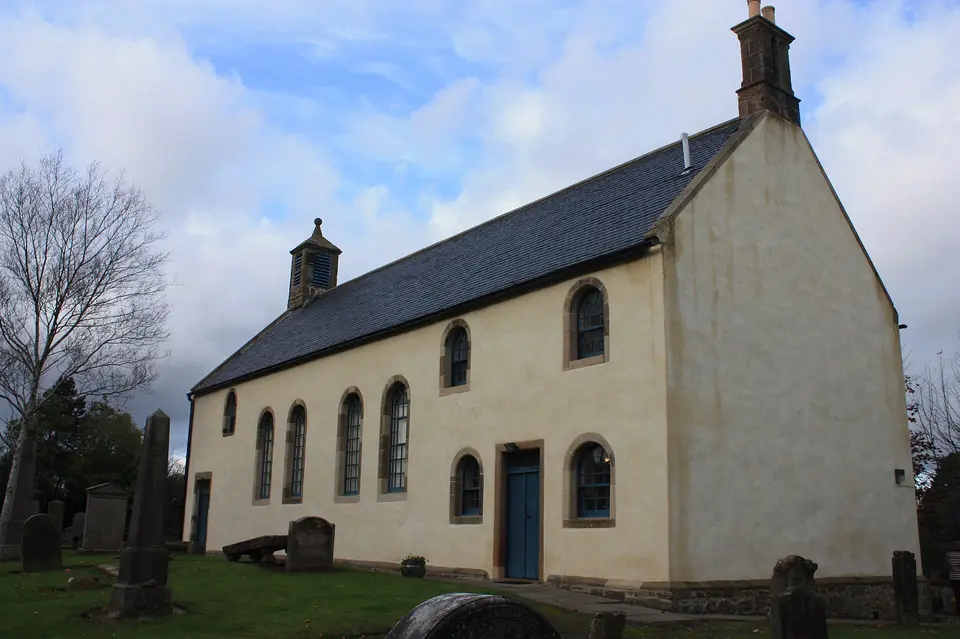
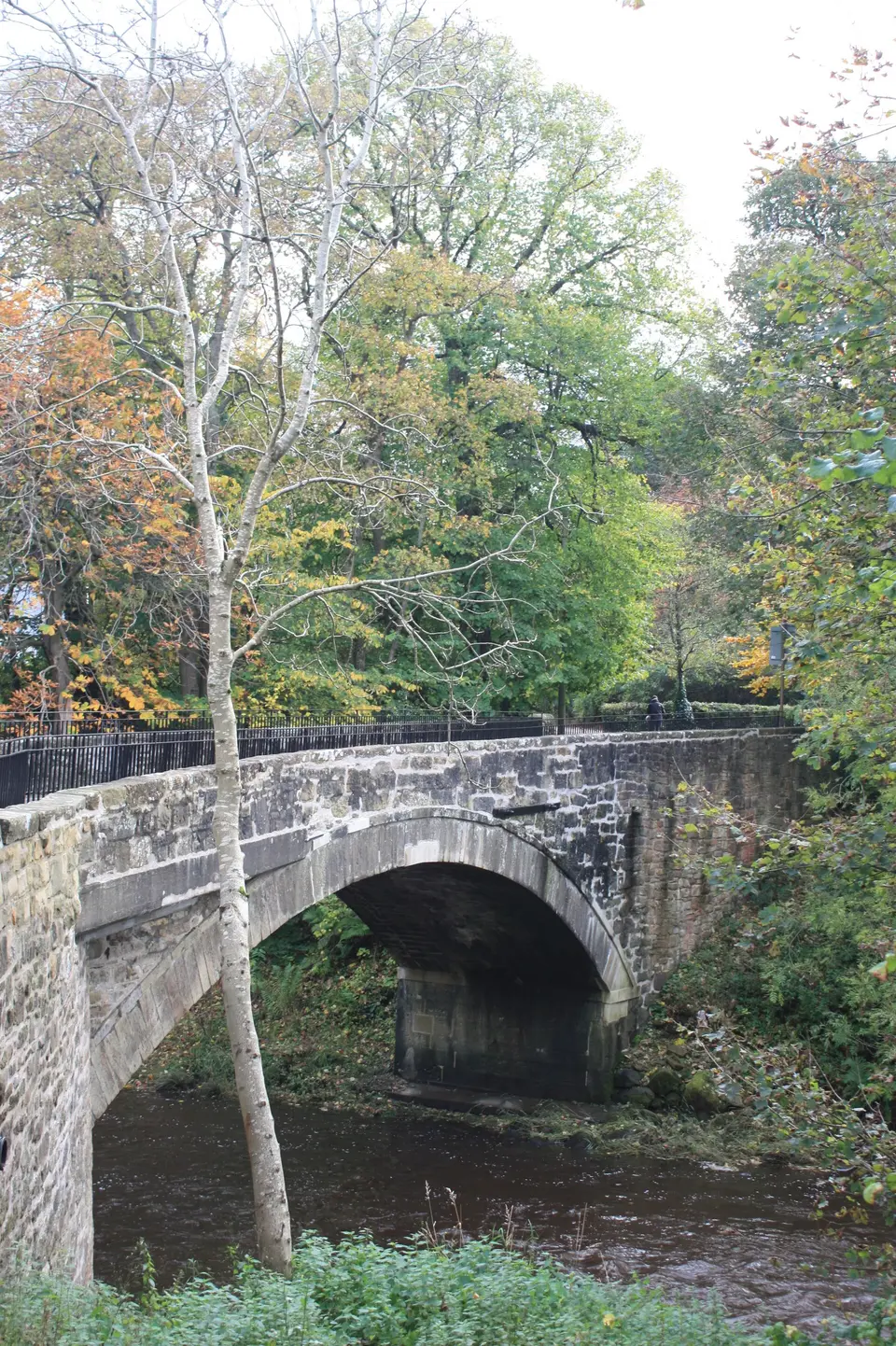
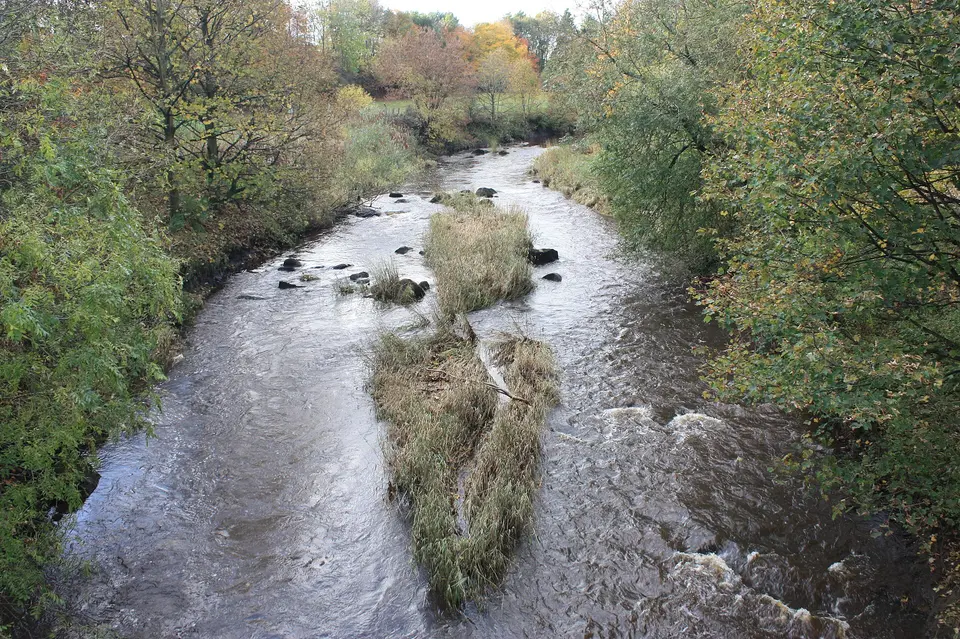
Livingston Old Kirk, in its present form since 1732 · The old bridge in the villagePhoto: Stephencdickson, CC BY-SA 3.0Photo: Stephencdickson, CC BY-SA 3.0
The Almond, the bridge and the houses around
The River Almond runs past the village, and an old bridge carries the road across it. Looking west from the bridge, the river runs between trees, and it is hard to believe the town centre is so close. Village Lane has a small row of shops and a postbox, and Main Street is part of National Cycle Route 75.
Several country houses once surrounded the village. Charlesfield House stood just to the south-west on the banks of the Almond and was home for a time to Henry Raeburn, son of the portrait painter. Howden House, built in 1795, stands to the north-east, its grounds now the town’s best-known park. Alderstone House, bought by the Kinloch family in 1556, where the advocate Patrick Kinloch built the present L-plan tower house in 1626, survives with a large stone doocot in its grounds.
When the new town arrived
The decision of 1962 changed the village more than anything in the previous eight centuries. The Livingston Development Corporation, a body set up to build, manage and promote the new town, took in Livingston, Livingston Station and Bellsquarry and began building districts around them. Within a few years the village found itself at the centre of a town many times its size.
The village has grown since then and now sits in the heart of the town rather than on its edge. New-town housing surrounds the older core, but the Development Corporation and later West Lothian Council kept that core recognisable. The kirk, the bridge, the line of Main Street and the river all sit where they did, and walking from the nearest roundabout into the village still feels like stepping back a couple of centuries.
There is a pattern here that other British new towns share. Cumbernauld has its village, East Kilbride has The Village, and Milton Keynes has Milton Keynes Village. In each case the old settlement gave its name to the new town and then had to get used to being called something else.
Getting there
Livingston Village had a railway station on the Edinburgh to Bathgate line from 1849 until 1948, in what is now Deans. Today the nearest stations are Livingston North and Livingston South, and buses connect the village with the rest of town. The M8 is close, and the A705 runs parallel to the village.
Almondvale Stadium, home of Livingston FC, is on the edge of the village. Mill Roundabout lies just outside it, and within a few hundred yards the roundabouts give way to a kirk, a bridge and a river.
Make a little time for Livingston Village.
- 01
Visit the Old Kirk
A plain Presbyterian church of 1732 on a site used for worship since the fourteenth century, with an old churchyard.
- 02
Stand on the bridge
The old bridge crosses the River Almond, the river that runs through the whole new town.
- 03
Read the town's story
How a twelfth-century village gave its name to a 1960s new town.