In 1670 two Edinburgh doctors, Robert Sibbald and Andrew Balfour, set up a physic garden in the city. Part of the plant collection they built on came from a garden in what is now Eliburn, laid out by Sir Patrick Murray of Livingston at the family’s tower house. That garden is long gone. The tower is long gone too. But the ground it stood on is a park again, and the new town district around it still carries the family’s title in its name.
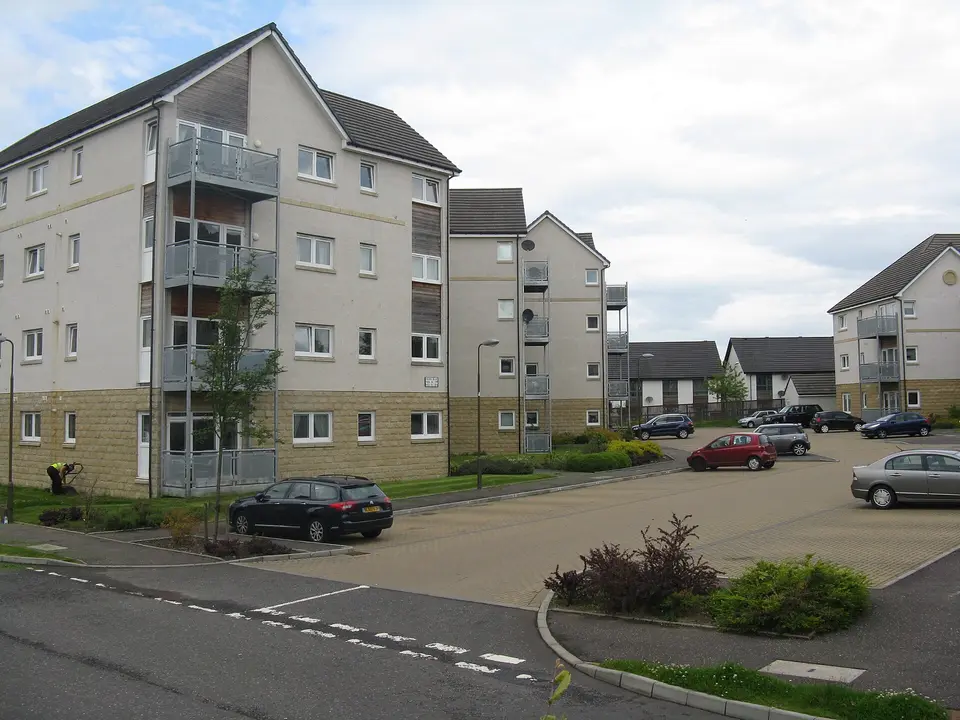
Eliburn is in the west of Livingston, bordered by Deans to the north, Ladywell to the east and Livingston Village to the south. It is mostly residential, with a small business campus on its western side.
Livingston Peel and the Elibank gardens
The original fortified tower of Livingston, Livingston Peel, stood here. It was the home of the Leving family, who gave the whole area its name, and later of the Murrays of Elibank, whose title gradually turned into Eliburn. Sir Patrick Murray’s gardens there were well known, and after his death in 1671 his plants went to the young garden in Edinburgh, the forerunner of the Royal Botanic Garden.
Late in the seventeenth century the Peel was demolished and replaced by a house called Livingston Place. The estate passed from the Murrays to the Cunningham family, was bought by the Earl of Rosebery in 1828, and the house was pulled down in 1840.
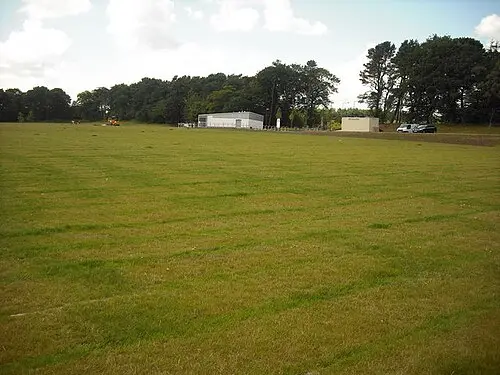
Today the site is Peel Park. Its formal layout and planting are designed to reflect the historic gardens, and a peel mound and moat have been recreated so you can picture where the tower stood. It is a small park with a big story, and for anyone curious about why the town is called Livingston at all, it is the place to start.
A peel was a defensive tower, common across southern Scotland in the later Middle Ages, built to protect a family and its goods in unsettled times. Livingston Peel was the seat of the family that gave the area its name, and the recreated mound and moat give a sense of how such a tower once sat among the farms and fields around it. The real thing has gone completely, but standing on the site you can see why a family would have chosen it.
From Livingston to the Royal Botanic Garden
The physic garden that Sibbald and Balfour started in 1670 was a small plot near Holyrood Abbey, planted with medicinal herbs for teaching. It grew, moved more than once and eventually settled at Inverleith in the nineteenth century as the Royal Botanic Garden Edinburgh. Part of its earliest stock came from the gardens around Livingston Peel.
That makes Eliburn an unusual footnote in Scottish science. A new town district stands on ground that helped seed a national institution three centuries earlier. Peel Park does not try to recreate a botanic garden, but its planting and layout nod to the old formal gardens.
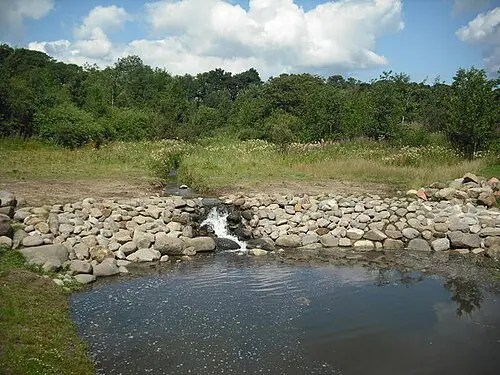
Eliburn Park · The waterfall in Eliburn ParkPhoto: Jim Smillie, CC BY-SA 2.0Photo: Jim Smillie, CC BY-SA 2.0
Eliburn Park and the reservoir
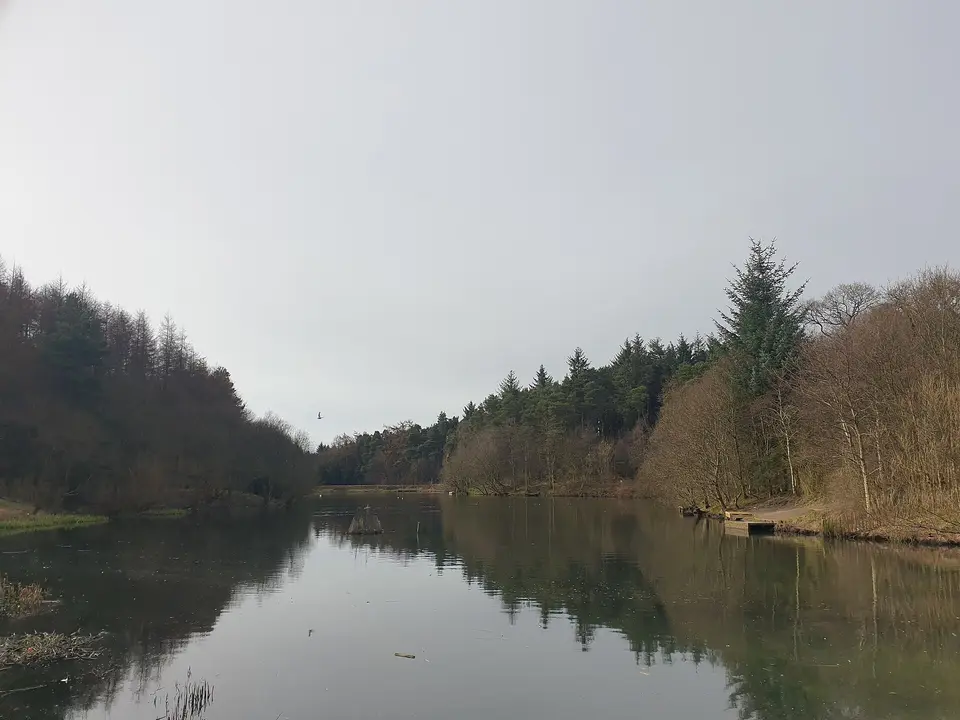
The larger green space is Eliburn Park, about 16.5 hectares of parkland and sports ground. At its centre is Eliburn Reservoir, nearly three acres of water up to about thirteen feet deep, once known as Deans Reservoir. It is now a coarse fishery managed and stocked by West Lothian Coarse Anglers, a not-for-profit members’ club, and open to day-ticket anglers through the year. Carp, tench, bream, roach, perch and pike are among the fish caught there.
You do not need a rod to enjoy it. The park has a play area, woodland and long walking routes, and a small waterfall tucked away along one of the paths. On a misty winter evening the reservoir is about as atmospheric as Livingston gets. The paths around the water are popular with runners, and a cycle route on the National Cycle Network passes close by on its way between Balerno and Bathgate. Eliburn Woods, a strip woodland of nearly eight hectares, and Livingston Old Woods lie close by.
Old routes through the housing
Eliburn’s newer streets were laid across land that had its own small history. In the nineteenth century a barracks and a set of farmhouses stood to the west, beside today’s Appleton Parkway, and a row of cottages called Bogyates stood beside the Kirk Road forest strip. All of them have been demolished. The forest strip itself survived, and a footpath runs its whole length, separating the houses on Oldwood Place from those on Foxknowe Place.
Peel Primary School, a non-denominational school whose name points straight back to the tower, serves the district, and a small shopping area with a Co-op sits beside Follyburn Place and Eliburn Road. Livingston Free Church, an evangelical and reformed Presbyterian congregation on the corner of Eliburn South and Alderstone Road, was built in the early 1980s. Together with the school and the shops, it gives the residential side of Eliburn a small, walkable centre of its own.
Eliburn Campus
On the western side, around Eliburn Campus and Appleton Parkway, sits a small industrial and office estate. Shin-Etsu Chemical, which moved to Livingston in 1988, has its UK head office here. A footpath through the campus links it to the residential streets, and open land around it softens the edge of the town.
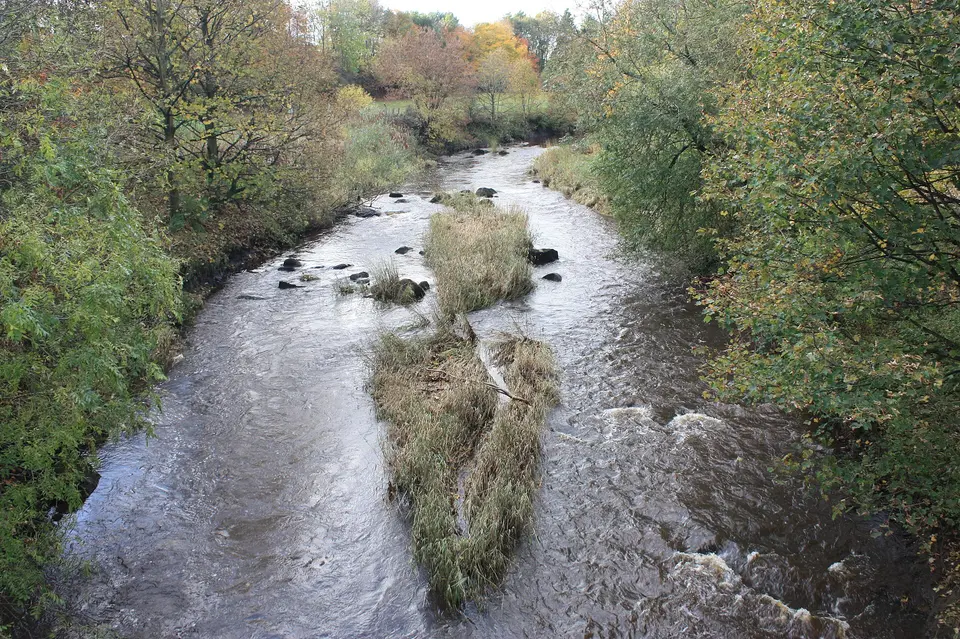
From the campus, it is a short walk south to the village and the River Almond, where the old village of Livingston grew up around its kirk.
Make a little time for Eliburn.
- 01
Visit Peel Park
A garden laid out to echo the lost gardens of Livingston Peel, with a recreated mound and moat.
- 02
Walk round the reservoir
Eliburn Park covers 16.5 hectares with the reservoir, woodland and long walking routes.
- 03
Continue to the village
Livingston Village lies just to the south, with the Old Kirk and the River Almond.