Livingston was designated in 1962 partly because of where it sits: about fifteen miles west of Edinburgh, thirty miles east of Glasgow, close to the motorway that would join them. Sixty years later the same geography makes it a quietly excellent base for day trips. You can see a castle in the morning and be home before the evening traffic, without ever needing a hotel.
Edinburgh: the obvious one
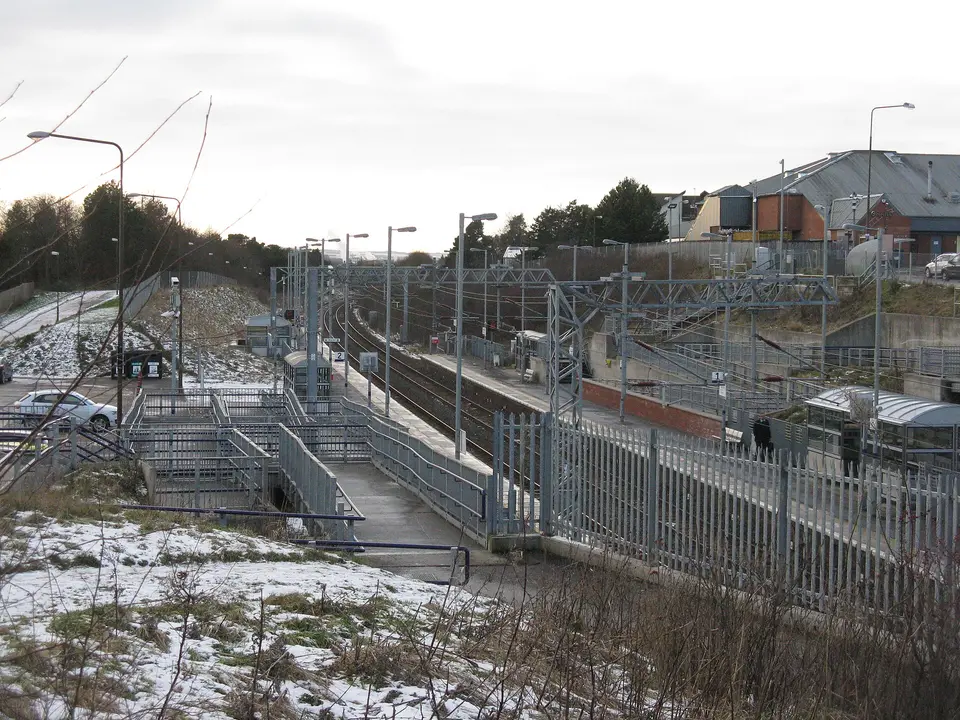
The capital is the shortest trip. Trains from Livingston North and Livingston South both run into Edinburgh Waverley, the first on the line via Bathgate and the second on the Shotts line, and buses from the town centre terminal go there too. Driving is possible but parking in the old town is expensive and slow, so most people leave the car at home.
For a first visit, the classic line runs from the castle down the Royal Mile to Holyrood. For a second, try the New Town, Dean Village and the Water of Leith walkway, which start a short walk from Haymarket, the station before Waverley. Locals who commute every day will tell you to get off at Haymarket for the west end and save ten minutes of walking.
Glasgow: two lines, two stations
Glasgow is further but almost as easy. Since the Airdrie to Bathgate rail link reopened in December 2010, Livingston North has direct trains to Glasgow Queen Street via Airdrie and Coatbridge. Livingston South has trains to Glasgow Central via Shotts and Motherwell. Which one you take depends mainly on which end of the city you want, since Queen Street serves George Square and Central serves the shopping streets around Buchanan Street and Argyle Street.
The museums are the strongest case for Glasgow. Kelvingrove and the Riverside Museum are free, large and good on a wet day. The city also has a livelier evening than Edinburgh, though you will want to check the last train before settling in.
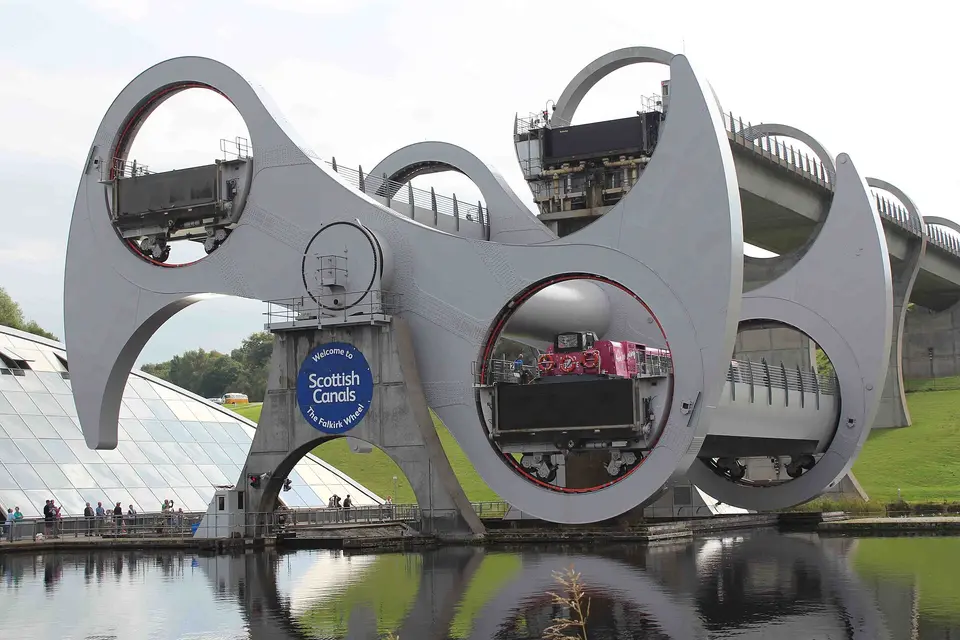
The Falkirk Wheel, opened in 2002.Photo: Les Hull, CC BY-SA 2.0
Stirling: castle and monument
Stirling is the one trip that is easier by car, about forty minutes up the M9 from the Livingston area. The castle, high on its rock above the town, was one of the principal residences of the Stewart kings and queens, and the National Wallace Monument stands on the Abbey Craig across the valley. Doing both in a day is comfortable; climbing the Wallace Monument’s spiral stair afterwards is optional and memorable.
By public transport, Stirling usually means a change in Edinburgh or Glasgow. It works, but it uses up the morning.
The Falkirk Wheel and the Kelpies
Halfway to Stirling, the Falkirk Wheel is the trip children remember. Opened in 2002 as part of the Millennium Link project, it lifts boats 24 metres between the Union Canal and the Forth and Clyde Canal and is the only rotating boat lift of its kind in the world. Watching it turn takes about five minutes and is somehow never dull. Boat trips run through it in season.
The Kelpies, two thirty-metre steel horse heads by Andy Scott, stand a few miles east in the Helix park near Grangemouth. They look best at dusk when they are lit. Both sites are easier by car; the West Lothian attractions page explains how to combine them with Linlithgow on the way back.
The Forth bridges and Queensferry
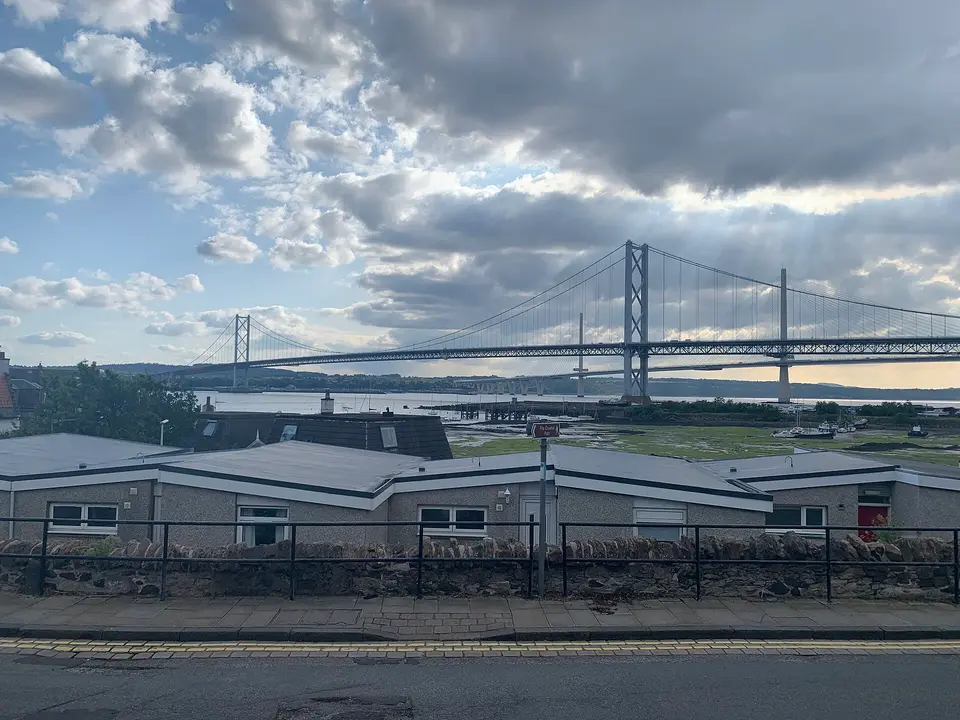
North-east of Livingston, three bridges cross the Firth of Forth side by side at Queensferry. The Forth Bridge, the red cantilever railway bridge of 1890, became a UNESCO World Heritage Site in 2015. Next to it stand the Forth Road Bridge of 1964 and the Queensferry Crossing, opened in 2017. Few places show three centuries of engineering in a single view.
South Queensferry has a small harbour, cafés and a promenade along the shore, and boat trips leave from Hawes Pier to Inchcolm Island and its abbey in season. You can walk or cycle across the Forth Road Bridge, which now carries mainly buses, taxis and bikes. From Livingston it is under half an hour by car past Edinburgh Airport.
Half-day trips closer to home
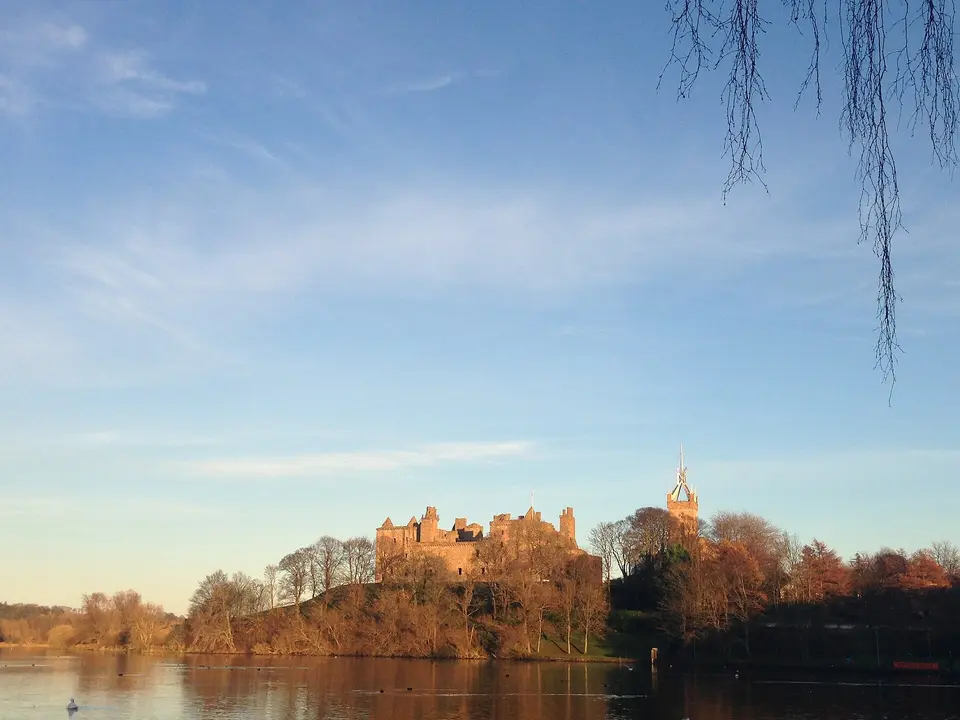
Not every outing needs a city. Linlithgow, just north of the M8, has its palace, its loch and a proper old high street, and it is reachable in well under half an hour. The Pentland Hills rise south-east of Livingston, with walks from the car parks near Harlaw and Threipmuir reservoirs that feel much further from town than they are. And the River Almond itself can be followed east from Livingston through Almondell Country Park towards Kirkliston, on its way to meet the sea at Cramond, which makes a long walk without any transport at all. Most people manage a stretch of it rather than the whole thing.
These shorter trips suit the Scottish weather better than an ambitious city day. If the forecast is uncertain, pick one, go early, and keep the afternoon free. The West Lothian page looks at the county’s towns in more detail.
Making it work
A few practical notes. Off-peak tickets on ScotRail are usually much cheaper than peak ones, so a later start often pays for lunch. Check engineering works at weekends, when one of the two Livingston lines is sometimes replaced by buses. And keep the travel guide handy for the stations themselves, which are not in the town centre.
If you only have one day to spare, choose by weather. A dry day suits Queensferry or Stirling. A wet one belongs to Glasgow’s museums, which is a fair trade.